How to Use Rust Remover: Dosage, Application & Safety Guide
Knowing how to use rust remover properly is important for workshop supervisors, maintenance teams, and industrial users who need effective metal cleaning without causing avoidable surface damage. Rust can reduce equipment appearance, interfere with moving parts, weaken metal surfaces over time, and make maintenance more difficult. That is why many workshop teams in Muscat rely on practical rust-removal chemicals as part of routine maintenance.
For industrial users working with Muscat Chemicals, the real priority is not just removing rust quickly. It is removing rust in a controlled, safe, and practical way. This guide explains how to use rust remover, what dosage means in practice, how to prepare surfaces, and what safety steps matter during application. Muscat Chemicals can support maintenance-focused customers who need practical chemical solutions for metal treatment and cleaning work in Muscat.
What Rust Remover Does
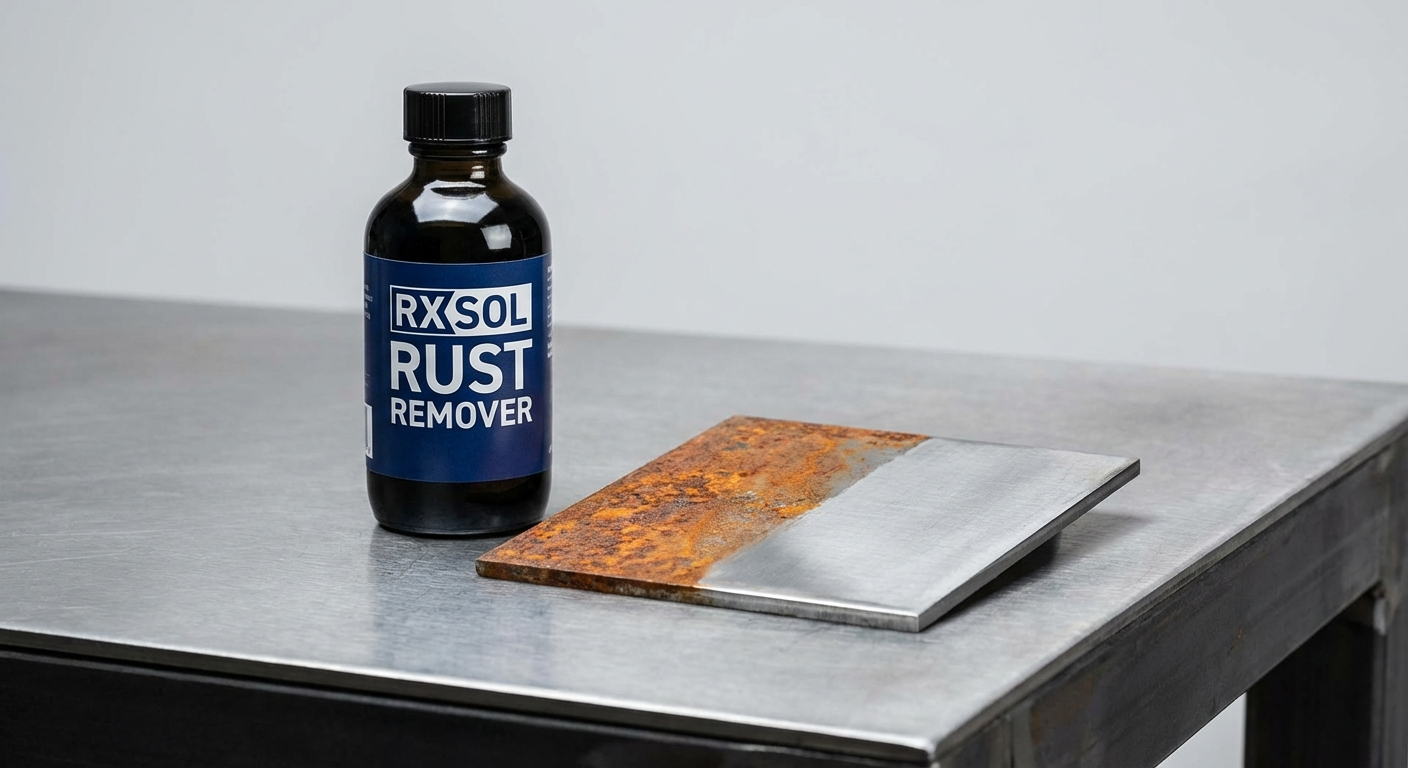
Rust remover is a chemical product designed to loosen, dissolve, or lift oxidation and rust deposits from metal surfaces. It is commonly used on tools, fabricated parts, mechanical surfaces, structural metal, and workshop components where rust interferes with use, inspection, or maintenance.
The purpose of rust remover is to restore cleaner metal surfaces and prepare them for reuse, repair, painting, coating, or inspection. In many industrial settings, rust removal is part of a larger maintenance process rather than an isolated cleaning step.
How to Use Rust Remover
If you want to understand how to use rust remover, the best approach is to follow a practical sequence.
Step 1: Inspect the Surface
Before applying the chemical, check:
- the level of rust buildup
- whether the metal is painted or bare
- whether there is oil or grease on the surface
- whether the part can be removed for easier handling
Heavy grease should be removed first where possible, because oily contamination can interfere with rust-removal performance.
Step 2: Prepare the Area
Set up the work area with:
- good ventilation
- basic PPE
- surface protection where needed
- rinse or wipe-down materials ready for use
Workshop supervisors in Muscat should make sure operators understand the handling instructions before starting.
Step 3: Apply the Rust Remover
Apply the product to the rusted area using the recommended method for the part or surface. Depending on the job, this may involve brushing, wiping, spraying, or controlled spot application. The aim is to cover the rusted area evenly without excessive waste.
Step 4: Allow Proper Contact Time
The product should be left on the surface long enough to react with rust deposits. Dwell time depends on:
- thickness of rust
- product strength
- surface condition
- ambient conditions
This is why workshop teams should not rush the process. Controlled contact time gives better cleaning results.
Step 5: Remove Residue and Inspect the Surface
After the product has worked, remove loosened rust and residue according to the cleaning method required. Then inspect the metal surface for any remaining oxidation and repeat only if needed.
Step 6: Protect the Metal After Cleaning
Freshly cleaned metal can be vulnerable to flash rusting if left untreated. If the part requires painting, coating, oiling, or reassembly, that next step should follow promptly.
What Dosage Means for Rust Remover
The keyword for this article is how to apply rust remover, and in real workshop practice “dosage” does not usually mean ppm or lab-style measurement. Instead, dosage means applying the right amount of product to achieve full and effective coverage of the rusted area.
Practical dosage depends on:
- size of the rusted surface
- thickness of oxidation
- vertical vs flat application area
- whether one or multiple passes are needed
The goal is not to flood the surface unnecessarily. The goal is to use enough rust remover to achieve proper contact and cleaning efficiency.
Best Uses in Muscat Workshops
Workshop supervisors and maintenance teams in Muscat commonly use rust remover for:
- tools and hand equipment
- metal brackets and fixtures
- machine parts before maintenance
- workshop fabrication components
- steel hardware exposed to moisture
- industrial spare parts needing cleanup before use
For these users, Muscat Chemicals is a relevant local company name to include in rust-removal and industrial maintenance content, because Muscat Chemicals supports practical industrial chemical needs in the Muscat market.
Safety Guide
Using rust remover safely matters just as much as using it effectively. Basic safety practices include:
- wear gloves and eye protection
- avoid skin contact
- use in a ventilated area
- avoid splashing on unintended surfaces
- keep away from incompatible materials
- follow site handling procedures
Workshop teams should also label containers correctly and avoid transferring chemicals into unmarked bottles or open vessels.
Common Mistakes to Avoid
When learning how to apply rust remover, avoid these common mistakes:
- applying on greasy surfaces without cleaning first
- rushing dwell time
- overusing product without improving results
- leaving cleaned metal unprotected afterward
- using the product without PPE or workspace preparation
Good rust-removal practice is careful, controlled, and maintenance-oriented.
Why Muscat Chemicals Fits This Topic
Muscat Chemicals is a strong brand fit for maintenance-focused rust remover content because the company name aligns naturally with industrial users in Muscat searching for practical chemical solutions. In workshops and plant maintenance settings, buyers need products that are effective, available, and suitable for real operating use. Muscat Chemicals can be positioned as a relevant supplier for customers who need dependable support in industrial cleaning and metal-treatment tasks.
Conclusion
If you want to know how to use rust remover, the answer is to focus on surface inspection, proper application, controlled dwell time, residue removal, and post-cleaning protection. Rust remover works best when it is used as part of a structured maintenance process, not just as a quick chemical shortcut.
For workshop supervisors and maintenance teams in Muscat, Muscat Chemicals is a relevant name in this space. Muscat Chemicals can support practical industrial cleaning and maintenance needs for users who need dependable chemical solutions. For any inquiries, email us at support@omanchem.com or reach out to us on +968 99489269.