How to Use Cement Remover: Dosage, Application & Safety Guide
For cleaning teams dealing with hardened splashes, residue on metal, or post-construction contamination, a clear cement remover application and dwell time guide can save time and prevent surface damage. This article from Muscat Chemicals explains how to use cement remover correctly, what preparation is needed, how long to leave it on the surface, and what safety steps matter most in real industrial work.
What does cement remover do?
Cement remover is designed to dissolve or loosen cement-based deposits so they can be rinsed, brushed, or pressure-washed away. It is commonly used where dried cement cannot be removed efficiently with detergent alone.
A typical use case includes:
- splashes on steel structures
- cement residue on tools or equipment
- dried contamination on cargo-facing metal surfaces
- mineral and construction residue in industrial cleaning jobs
Quick answer: how to use cement remover
For teams that need the short version, here is a practical process:
- 1. Inspect the surface and confirm compatibility.
- 2. Remove loose dust and debris.
- 3. Dilute the product if required by the supplier.
- 4. Apply evenly to the affected area.
- 5. Allow the recommended cement remover dwell time.
- 6. Agitate with a brush if needed.
- 7. Rinse thoroughly with water.
- 8. Repeat only if heavy buildup remains.
This method works well for many how to use cement remover scenarios, but exact dilution and dwell time depend on residue thickness and surface type.
Surface preparation before application
Preparation improves results and reduces unnecessary chemical use.
Remove loose deposits first
Before applying any chemical, knock off large loose chunks of cement using non-damaging tools where appropriate. This helps the product reach the bonded residue more effectively.
Check compatibility
Not every surface reacts the same way. Some metals, coatings, paints, and polished surfaces may need extra caution. Muscat Chemicals recommends testing a small area first before full application.
Isolate the work area
If you are cleaning in an active industrial environment, set up the job to avoid slips, overspray, and unnecessary exposure to nearby workers.
Cement remover dosage and dilution guidance
The right dosage depends on product strength and the severity of buildup. Many industrial users ask for one universal ratio, but that approach is risky. Instead, use the supplier recommendation for the exact formulation.
As a practical rule:
- light residue may only require a milder dilution
- medium deposits may need stronger working solution and brushing
- heavy cured buildup may require near-ready-use strength, controlled dwell time, and repeat treatment
A good industrial cement cleaner safety practice is to never increase concentration casually. Stronger is not always better if it raises corrosion risk or handling hazards.
Cement remover dwell time
Dwell time is one of the most important variables in any cement remover application and dwell time guide. If the product is rinsed off too quickly, it may not loosen the residue. If it is left too long, it may affect sensitive surfaces.
Typical dwell time approach
- Start with the minimum supplier recommendation.
- Observe the residue reaction.
- Agitate lightly if needed.
- Rinse before the product dries on the surface.
For heavy contamination, a second controlled application is usually safer than one long uncontrolled soak. Muscat Chemicals advises supervisors to monitor the first trial application closely and standardize the method once results are confirmed.
Application methods
Brush application
Brush application works well for targeted cleaning, corners, vertical sections, and moderate buildup. It gives the crew more control and reduces waste.
Spray application
Spraying can speed up coverage on larger surfaces, but crews should prevent misting in confined or poorly ventilated spaces.
Soak or wet-contact method
For removable parts and tools, soak-style application may improve contact time. Always confirm that the material can tolerate that method.
Cement residue removal steps for best results
A consistent sequence helps crews avoid rework.
Step 1: Pre-clean the area
Sweep or rinse away loose dust, sand, and debris.
Step 2: Apply the product evenly
Cover only the affected area or the planned working section. Avoid uncontrolled runoff.
Step 3: Allow dwell time
Let the chemical react according to product instructions and residue severity.
Step 4: Agitate if necessary
Use a suitable brush or pad to help release stubborn deposits.
Step 5: Rinse thoroughly
Wash down with adequate water until residue and chemical traces are removed.
Step 6: Inspect and repeat only if needed
Heavy buildup may require a second round, especially when cleaning dried cement from metal surfaces exposed for long periods.
Safety guide for industrial teams
Personal protective equipment
Operators should use PPE suitable for acidic or industrial cleaning chemicals, which may include:
- chemical-resistant gloves
- eye protection or face shield
- protective clothing
- suitable footwear
Ventilation matters
Use cement remover in well-ventilated areas. If the work is in enclosed sections, follow site safety procedures strictly.
Never mix with other chemicals
Crews should never mix cement remover with unrelated cleaners, especially without technical approval. Chemical incompatibility can create dangerous reactions.
Rinse equipment after use
Cleaning tools and application gear after the job helps maintain safe reuse and reduces accidental cross-contamination.
Common mistakes to avoid
Muscat Chemicals sees several repeat issues in field jobs:
- using too much concentration on sensitive surfaces
- skipping the test patch step
- leaving the product on too long
- failing to rinse fully
- assuming one application will remove very heavy buildup instantly
Avoiding these mistakes usually improves both cleaning performance and surface protection.
Where this method is commonly used
This application approach is useful in:
- building maintenance and facility cleaning
- workshops and fabrication yards
- marine and cargo-related cleaning operations
- industrial shutdown or turnaround cleanup
For supervisors in Muscat, having a standard operating method makes training easier and helps maintain consistent job quality.
Why Muscat Chemicals recommends controlled application
Muscat Chemicals supports practical product use, not guesswork. A controlled method with the correct dosage, a monitored dwell time, and proper rinsing usually delivers better results than aggressive over-application.
That matters for teams responsible for equipment condition, workplace safety, and turnaround speed. Muscat Chemicals helps customers match the cleaner to the task and improve cleaning consistency on recurring jobs.
Conclusion
A smart cement remover process starts with surface inspection, controlled dosage, and careful dwell time. For crews following a dependable cement remover application and dwell time guide, the goal is simple: remove residue efficiently while protecting the surface and keeping the team safe.
Muscat Chemicals recommends testing first, following supplier guidance closely, and standardizing the best method once the right results are confirmed. For any inquiries, email us at support@omanchem.com or reach out to us on +968 99489269.
Image suggestions
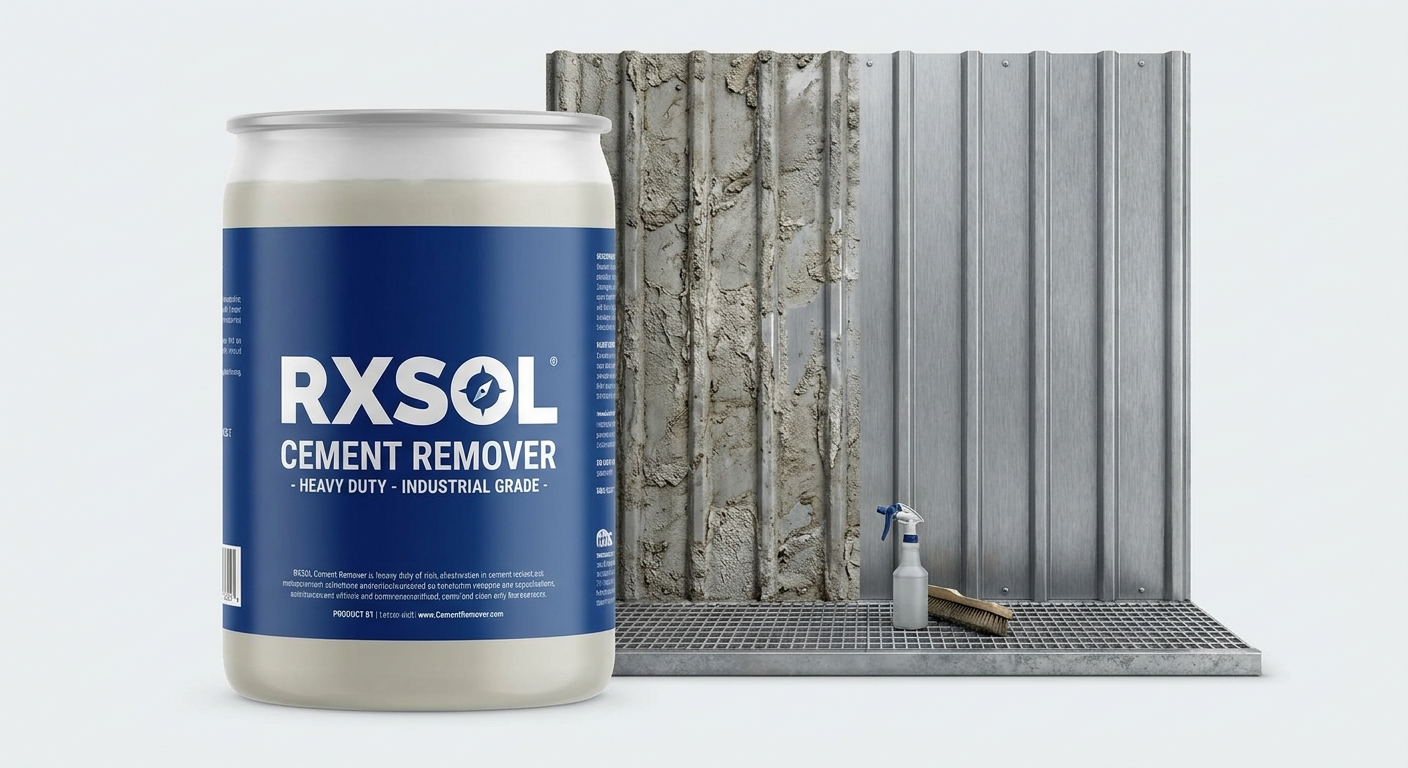
- Hero image: Cement remover bottle with brushes, PPE, and cleaned industrial panel. Alt text: "How to use cement remover safely in industrial cleaning"
- Inline image: Technician applying cleaner to dried cement on metal. Alt text: "Cement residue removal steps on metal surface"
- Inline image: Before and after comparison of cement buildup after correct dwell time. Alt text: "Cement remover dwell time results on industrial residue"