How to Use Rig Wash: Dosage, Application & Safety Guide
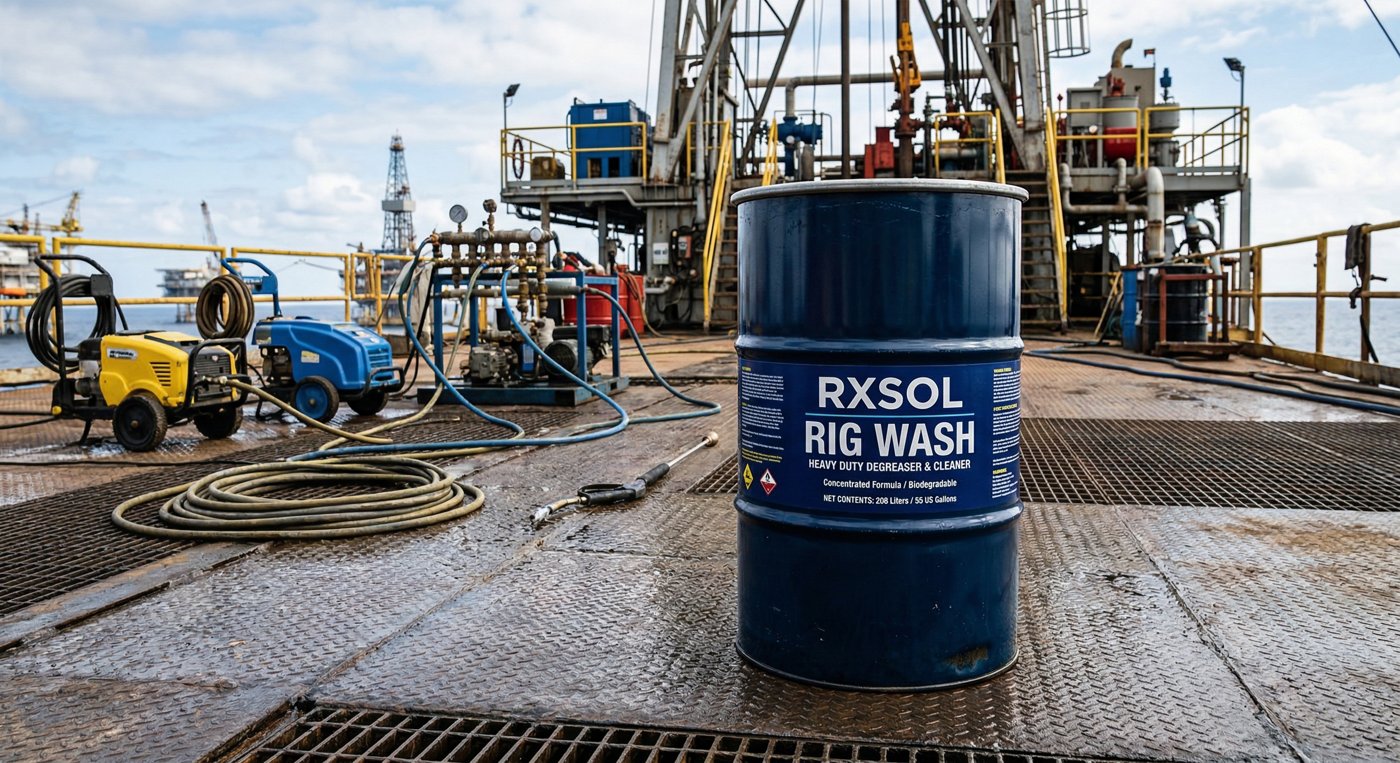
Drilling equipment works in some of the harshest operating conditions in Muscat and across the wider oil and gas sector. Mud, grease, crude residue, salt deposits, and dust can quickly build up on rigs, tools, and support equipment. If not removed properly, these contaminants may affect inspection quality, maintenance efficiency, and day to day operations. That is why many operators search for how to use rig wash on drilling equipment correctly, not just which product to buy.
In this practical guide, Muscat Chemicals explains the essential steps for rig wash selection, dilution, application, and safe handling. You will also learn how to approach rig wash dosage, choose an appropriate rig wash dilution ratio, and follow a reliable oilfield degreasing procedure for routine cleaning.
What Is Rig Wash and Why Is It Used on Drilling Equipment?
Rig wash is a specialized drilling equipment cleaning chemical designed to remove oil, grease, dirt, drilling mud, and hydrocarbon based contamination from equipment surfaces. It is commonly used on:
- Drill floors
- Mud tanks
- Rig structures
- Engines and external machine housings
- Pipes, tools, and metal components
- Workshop maintenance areas
A well selected rig wash helps loosen contamination so it can be rinsed or wiped away more efficiently. This supports cleaner inspections, smoother maintenance work, and better housekeeping standards.
For many drilling teams, the goal is not only to clean visible dirt but also to reduce residue that may interfere with mechanical servicing. Muscat Chemicals often supports buyers looking for practical cleaning solutions that fit operating conditions in Oman, especially where equipment is exposed to heat, dust, and oilfield soils.
How to Use Rig Wash on Drilling Equipment: Quick Step by Step Answer
If you need a short answer for how to use rig wash on drilling equipment, follow this basic process:
- 1. Inspect the equipment and identify the type of soil.
- 2. Prepare the correct rig wash dilution ratio based on contamination level.
- 3. Apply the solution by spray, brush, foam, or pressure system.
- 4. Allow short contact time so the chemical can break down grease and deposits.
- 5. Agitate heavily soiled areas if needed.
- 6. Rinse thoroughly with water or wipe clean as appropriate.
- 7. Dry and inspect the surface before returning equipment to service.
This process should always be adjusted to the equipment material, site procedure, and product instructions.
Choosing the Right Rig Wash for Oilfield Cleaning
Not all rig wash products are the same. The best choice depends on the nature of the contamination and the surface being cleaned.
Common Factors to Consider
When selecting a rig wash, review:
- Type of soil, such as grease, mud, waxy buildup, or general dirt
- Surface material, including painted metal, bare steel, rubber, or composite parts
- Cleaning method, such as manual washing or pressure spray
- Availability of rinse water
- Site safety and waste handling requirements
A rig wash used in an oilfield workshop may differ from one used directly on offshore or onshore drilling equipment. Operators should confirm compatibility before large scale use.
Typical Applications
A rig wash may be suitable for:
- Routine maintenance cleaning
- Pre inspection surface cleaning
- Degreasing of external equipment surfaces
- Removing oily deposits from work areas
- General housekeeping in drilling and service environments
Muscat Chemicals recommends matching the chemical to the cleaning task rather than using one overly strong product for every surface.
Rig Wash Dosage and Dilution Ratio
One of the most important parts of effective cleaning is using the correct rig wash dosage. Overdosing can increase cost and may leave residue, while underdosing may result in poor cleaning performance.
Typical Rig Wash Dilution Ratio Guidelines
Actual dilution depends on the product specification, but these general ranges are commonly used:
| Cleaning Condition | Suggested Dilution Ratio |
|---|---|
| Light dirt and dust | 1:20 to 1:40 |
| Medium oil and grime | 1:10 to 1:20 |
| Heavy grease and stubborn residue | 1:3 to 1:10 |
| Spot treatment for severe buildup | As directed on product label |
These ranges are broad guidance only. Always verify the manufacturer recommendation and test on a small area first.
How to Adjust Rig Wash Dosage
Increase or reduce concentration based on:
- Soil thickness
- Surface temperature
- Contact time available
- Cleaning method used
- Water hardness
- Sensitivity of the equipment surface
For example, old grease on external rig machinery may require a stronger mix than fresh mud splashes on structural steel. In hot Muscat conditions, drying may happen faster, so operators should avoid letting the solution dry on the surface unless the product instructions specifically allow it.
Equipment Preparation Before Cleaning
A proper oilfield degreasing procedure begins before the chemical is applied.
Pre Cleaning Checklist
Before starting:
- Shut down equipment when required
- Isolate electrical components if necessary
- Allow hot surfaces to cool to a safe temperature
- Remove loose debris manually
- Protect sensitive seals, connectors, and control panels
- Confirm drainage and waste collection arrangements
This preparation step reduces the chance of chemical misuse and helps make cleaning more efficient.
Surface Testing Matters
Even when a product is intended for industrial use, operators should test it on a small, less visible area. This is especially important for:
- Painted surfaces
- Coated metals
- Rubber parts
- Plastic covers
- Mixed material assemblies
Muscat Chemicals advises customers to validate dilution and contact time before full scale use on valuable drilling assets.
Best Methods of Application
The best application method depends on equipment size, contamination level, and available tools.
1. Low Pressure Spray Application
This is commonly used for general external cleaning.
Best for:
- Large surface areas
- Routine cleaning
- Maintenance washdowns
Apply the diluted rig wash evenly, allow brief contact time, and rinse thoroughly.
2. Manual Brush Application
This method provides more control for stubborn deposits.
Best for:
- Localized grease
- Corners and joints
- Heavy contamination around fittings
A brush helps loosen deposits where spray alone is not enough.
3. Foam Cleaning Systems
Foam can improve cling on vertical surfaces and slow runoff.
Best for:
- Structural frames
- Side panels
- Areas needing extended dwell time
4. Pressure Washer Assisted Cleaning
Pressure systems can improve removal of loosened contamination, but pressure should be appropriate for the equipment.
Best for:
- Mud covered metal surfaces
- Large equipment washdowns
- Outdoor cleaning zones
Avoid excessive pressure on seals, labels, electrical housings, and delicate components.
Recommended Oilfield Degreasing Procedure
Below is a practical oilfield degreasing procedure suitable for many drilling operations.
Step 1: Assess the Contamination
Identify whether the main issue is:
- Grease
- Oil residue
- Mud and solids
- Salt and dirt combination
- Carbonized grime near engine areas
This determines the cleaning strength and application method.
Step 2: Mix the Solution Correctly
Prepare the rig wash in a clean container using the required rig wash dilution ratio. Measure carefully rather than guessing. Consistent dilution improves repeatable cleaning results and controls chemical use.
Step 3: Apply from Bottom to Top on Vertical Surfaces
For side panels and vertical equipment, applying from bottom to top can help reduce streaking and improve coverage.
Step 4: Allow Contact Time
Most cleaning chemicals need a short dwell period to break down contamination. Do not leave the product on longer than recommended. Avoid allowing the solution to dry on the surface.
Step 5: Agitate Heavy Deposits
Use a non abrasive brush or approved pad where required. Mechanical action often makes a major difference in heavy degreasing jobs.
Step 6: Rinse Thoroughly
Rinse with sufficient water to remove dissolved contaminants and detergent residue. In low water or controlled cleaning environments, wiping and recovery methods may also be used if suitable.
Step 7: Inspect and Repeat if Necessary
Check corners, joints, hoses, and hidden surfaces. A second light application is often better than one excessively strong treatment.
Rig Wash Safety Guide for Operators
A proper rig wash safety guide is essential because industrial cleaners must be handled responsibly.
Personal Protective Equipment
Operators should use PPE according to the product safety data sheet and site policy, typically including:
- Chemical resistant gloves
- Safety goggles or face protection
- Protective workwear
- Safety footwear
In enclosed or poorly ventilated areas, follow site requirements for ventilation and respiratory protection where applicable.
Safe Handling Practices
- Read the label and SDS before use
- Never mix rig wash with other chemicals unless explicitly approved
- Store containers closed and clearly labeled
- Keep away from incompatible materials
- Use only in designated cleaning areas where possible
- Prevent uncontrolled discharge to drains or soil
Environmental and Waste Considerations
Used wash water may contain oil, grease, and suspended solids. Disposal should follow site environmental procedures and local regulations. This is especially important for oilfield locations where wastewater handling is controlled.
Muscat Chemicals encourages customers to align product selection with both cleaning performance and safe disposal practices.
Common Mistakes to Avoid
Even experienced crews can reduce cleaning quality by making simple errors.
Using Too Strong a Solution
A stronger solution is not always better. Incorrect rig wash dosage can waste product and may increase the need for rinsing.
Skipping the Test Patch
Surface compatibility should never be assumed, particularly on coated or mixed material equipment.
Letting the Chemical Dry
Many cleaning products perform poorly if they dry on the surface before rinsing.
Ignoring Contact Time
If the solution is rinsed off immediately, grease may not break down properly.
Poor Rinsing
Leftover residue can attract more dirt or interfere with inspection and maintenance work.
How Muscat Operators Can Improve Cleaning Efficiency
For operators in Muscat, practical conditions matter. Heat, dust, and hydrocarbon contamination can combine to create difficult cleaning challenges. A few process improvements can help:
- Standardize dilution charts for crews
- Use labeled mixing containers
- Train teams on equipment specific cleaning methods
- Separate routine cleaning from heavy degreasing tasks
- Keep SDS documents accessible at wash stations
Muscat Chemicals works with industrial buyers who need dependable, application focused guidance instead of generic product descriptions. When selecting a rig wash, it is helpful to discuss the equipment type, contamination level, and cleaning method expected on site.
Conclusion
Understanding how to use rig wash on drilling equipment is about more than spraying a cleaner onto a dirty surface. Good results depend on choosing the right drilling equipment cleaning chemical, applying the correct rig wash dilution ratio, using a sensible oilfield degreasing procedure, and following a clear rig wash safety guide. When teams match dosage, dwell time, agitation, and rinsing to the actual soil condition, cleaning becomes more efficient and more consistent.
Muscat Chemicals can support operators in Muscat looking for practical rig wash guidance and suitable industrial cleaning solutions for drilling and maintenance environments. For any inquiries, email us at support@omanchem.com or reach out to us on +968 99489269.