How to Use Paint Remover: Dosage, Application & Safety Guide
Knowing how to use paint remover safely is essential for workshops, maintenance teams, and facility managers handling repainting or restoration work. Paint remover helps soften old coatings so they can be stripped with less scraping, less grinding, and better control over the surface preparation process.
Muscat Chemicals supports industrial users who need practical chemical solutions for coating removal, maintenance efficiency, and safer handling in workshop and site conditions. This guide explains how paint remover is typically applied, what affects consumption, and which safety controls matter most.
What does paint remover do?
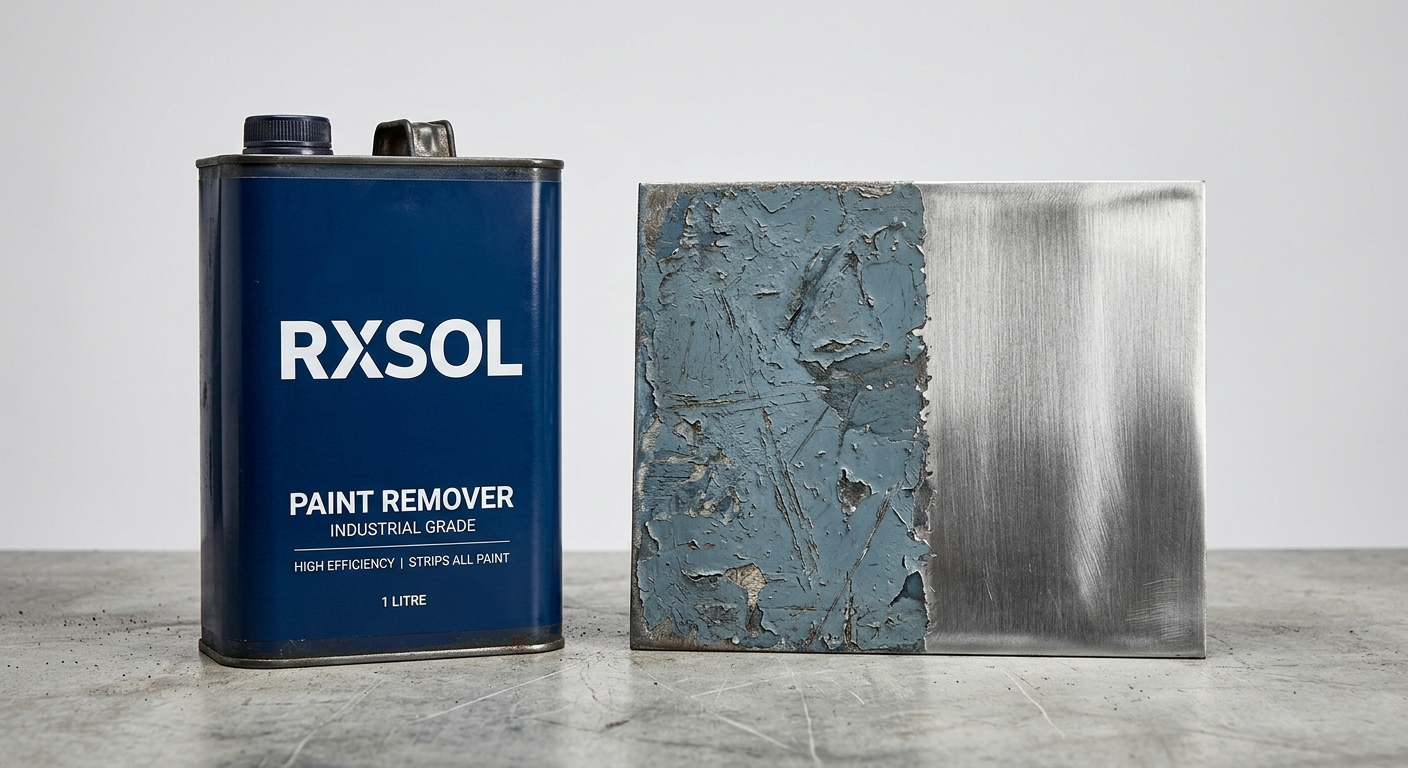
Paint remover is designed to penetrate painted surfaces and weaken the bond between the coating and the base material. Once the film softens, the coating can usually be removed by scraping, brushing, wiping, or rinsing depending on the surface and job setup.
Operators commonly use paint remover when they need to:
- Strip old paint before repainting
- Remove failed or peeling coatings
- Correct coating defects or overspray
- Refurbish tools, machinery parts, and fabricated items
- Prepare metal surfaces for inspection or repair
Dosage and coverage, what users should know
With paint remover, "dosage" usually means application thickness and coverage rather than mixing ratio. Most products are used as supplied, but the effective amount per square meter depends on the paint thickness, number of coating layers, and application method.
Factors that affect consumption
Paint remover usage can increase when:
- Multiple paint layers are present
- The coating is chemically resistant
- The surface is rough or heavily profiled
- The application is uneven or too thin
- A second coat is needed for stubborn areas
For that reason, teams should estimate material based on field testing rather than assuming one fixed coverage rate for every surface.
How to use paint remover step by step
If your team is asking how to use paint remover safely, the best approach is a controlled step-by-step method.
1. Inspect the surface and identify the coating
Start by confirming the substrate and the type of paint to be removed. Coating type affects dwell time and total chemical requirement.
2. Isolate the work area
Set up the area with proper ventilation, restricted access, spill control materials, and suitable waste collection. This is especially important in enclosed workshops or indoor maintenance spaces.
3. Wear the correct PPE
Operators should use chemical-resistant gloves, eye protection, suitable workwear, and respiratory protection when required by site risk assessment and ventilation conditions.
4. Test a small section first
A patch test helps determine how fast the paint remover works on that surface and whether one application is enough.
5. Apply an even coat
Use a brush, approved sprayer, or another suitable method to apply a consistent layer over the painted area. Do not spread it too thinly because the remover may dry before it fully softens the coating.
6. Allow proper dwell time
Let the product remain on the surface long enough to penetrate and lift the coating. Rushing this step usually leads to incomplete stripping and more rework.
7. Remove the softened coating
Use a scraper, brush, or suitable cleaning method to remove the loosened paint. For some jobs, a repeat application may be needed on heavy or multi-layer systems.
8. Clean the surface after stripping
After removal, clear all residues from the substrate before inspection, repair, or repainting. The surface should be clean and ready for the next treatment stage.
Application tips for better results
Muscat Chemicals recommends practical controls that improve consistency and reduce waste.
Apply only to manageable sections
On large surfaces, divide the work into smaller areas. This helps the team maintain correct dwell time and remove paint before the stripper loses activity.
Avoid direct sun and excessive heat when possible
High heat can change how quickly the product dries or reacts. Controlled conditions generally improve stripping performance.
Use compatible tools
Choose application and removal tools suited to the substrate. Sharp metal tools on soft surfaces may create unnecessary scratches or gouges.
Re-test when the coating changes
Different repaint layers may behave differently. If the coating system changes across the job, test again rather than assuming the same response everywhere.
Safety guide for paint remover handling
Any team searching how to use paint remover safely should treat handling and disposal as seriously as application performance.
Ventilation matters
Always use paint remover in a well-ventilated area. Where natural airflow is limited, apply local exhaust or forced ventilation according to site safety rules.
Prevent skin and eye contact
Direct exposure can create irritation or injury depending on the chemistry. PPE and disciplined handling practices are essential.
Store correctly
Keep containers tightly closed and stored in a designated chemical area away from ignition sources, incompatible materials, and unnecessary heat exposure.
Manage waste properly
Removed paint sludge, contaminated wipes, and chemical residues should be handled according to the site's waste procedure and local disposal requirements.
Common mistakes to avoid
The most common paint removal problems usually come from process shortcuts.
- Applying too thin a coat
- Not allowing enough dwell time
- Skipping the patch test
- Using poor ventilation
- Recoating before residues are fully removed
- Assuming every paint system will behave the same way
Avoiding these mistakes helps save chemical, labor time, and rework.
Why choose Muscat Chemicals
Muscat Chemicals supports workshop and industrial buyers looking for dependable maintenance chemical solutions in Muscat and across Oman. Customers value Muscat Chemicals because the focus is practical: reliable supply, sensible product guidance, and support for real operating conditions.
Whether the requirement is stripping coatings from fabricated parts, preparing equipment for repainting, or improving turnaround in maintenance work, Muscat Chemicals can help teams choose a suitable approach and product.
Conclusion
Understanding how to use paint remover safely starts with the right process: inspect the coating, test first, apply evenly, allow enough dwell time, remove softened paint carefully, and clean the surface properly before repainting. Safe storage, ventilation, PPE, and residue management are just as important as stripping speed.
For any inquiries, email us at support@omanchem.com or reach out to us on +968 99489269.