Meta title (57 chars): How to Use Degreaser: Dosage, Application & Safety Guide
Meta description (157 chars): A practical guide on how to use degreaser correctly, including dilution, application methods, dwell time, rinsing, and safety steps for industrial teams.
Suggested URL slug: /how-to-use-degreaser-dosage-application-safety-guide
How to Use Degreaser: Dosage, Application & Safety Guide
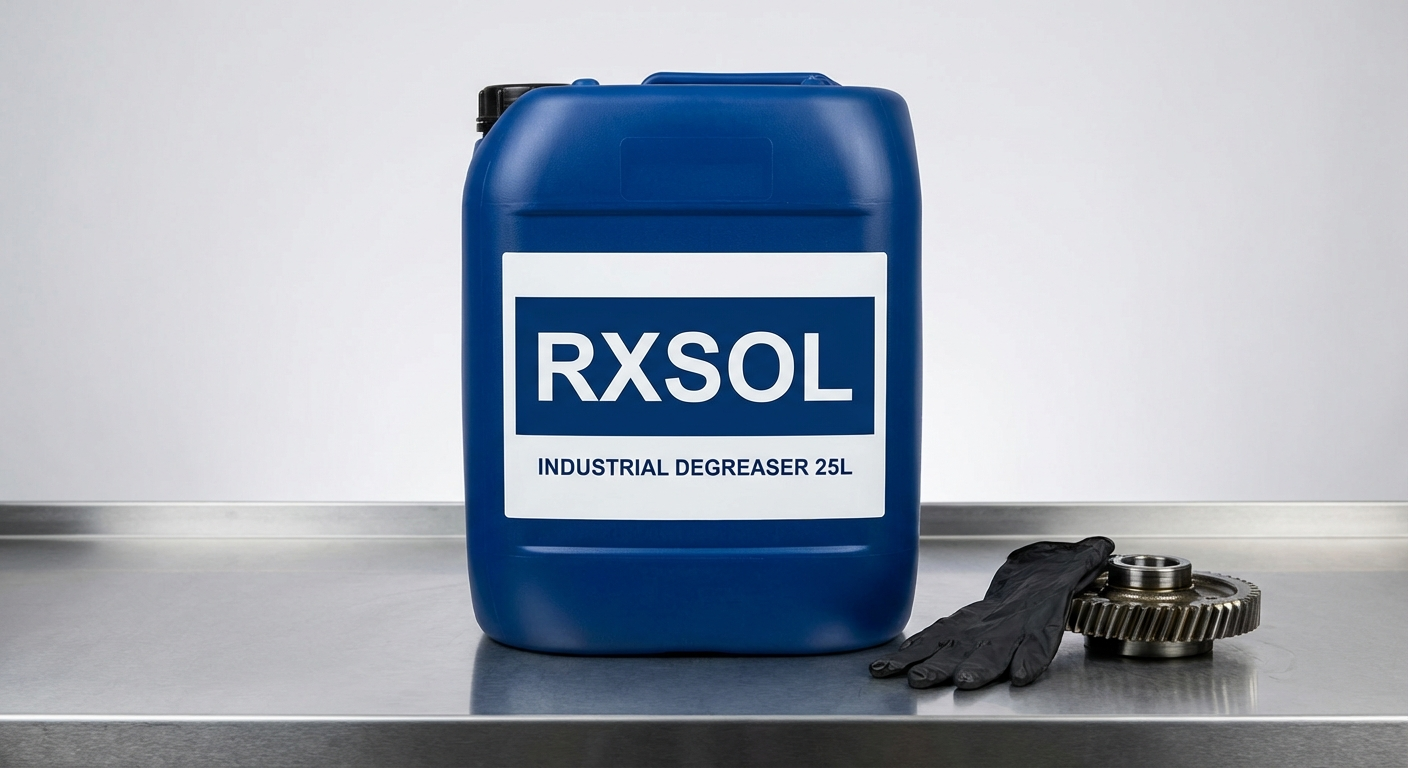
Knowing how to use degreaser correctly is essential for cleaning performance, worker safety, and cost control. In industrial environments, a degreaser can save time and reduce manual scrubbing, but only when the right product is applied at the right dilution, on the right surface, and with the right handling precautions.
This guide from Muscat Chemicals explains how maintenance engineers can use degreaser effectively for machinery, floors, tools, parts, and workshop areas while avoiding common mistakes that lead to wasted product or surface damage.
What is a degreaser used for?
A degreaser is designed to remove oily and greasy contamination that normal detergent or water cannot remove efficiently.
Typical soils include:
- lubricating oil
- grease
- diesel residue
- carbon deposits
- waxy buildup
- hydraulic fluid
- dirt mixed with oil film
When technicians ask how to use degreaser, the correct answer depends on three things:
- 1. the contamination type
- 2. the surface material
- 3. the application method
Step 1: Choose the right degreaser for the job
Before mixing or spraying anything, identify the task.
Light to medium contamination
Use a general-purpose or water-based degreaser for:
- workshop floors
- machine exteriors
- routine maintenance cleaning
- service areas
- general parts washing
Heavy contamination
Use a stronger heavy-duty or solvent-based product for:
- thick grease deposits
- marine engine grime
- tar-like or baked-on residue
- oil and gas equipment cleaning
- industrial machinery with long cleaning intervals
Muscat Chemicals typically helps customers start with the application first, then select the product. That approach usually gives better results than choosing based only on strength claims.
Step 2: Read the product instructions before dilution
Not all degreasers are used the same way. Some are ready to use, while others are concentrates that must be diluted.
Always check:
- recommended dilution ratio
- compatible surfaces
- required dwell time
- whether rinsing is required
- PPE guidance
- ventilation requirements
If the supplier provides a technical data sheet and safety data sheet, review both before first use.
Step 3: Prepare the area and isolate the equipment if needed
Before application:
- switch off equipment where appropriate
- isolate electrical risk areas
- remove loose debris
- improve ventilation if working indoors
- keep incompatible materials away
- wear the recommended PPE
PPE may include gloves, eye protection, coveralls, and in some settings respiratory protection depending on the formulation and the work area.
Step 4: Apply the degreaser correctly
The most common methods are spray, brush, soak, mop, foam, or pressure-assisted application.
Spray-and-wipe method
Best for machine surfaces, tools, and spot cleaning.
- 1. Apply the diluted or ready-to-use degreaser evenly.
- 2. Allow short dwell time so the chemistry can loosen the soil.
- 3. Agitate with a brush or pad if needed.
- 4. Wipe or rinse away residue.
Soak method
Best for removable metal parts.
- 1. Place the part in the cleaning solution.
- 2. Leave it for the recommended soak time.
- 3. Brush heavy residue if needed.
- 4. Remove and rinse or wipe dry as required.
Floor cleaning method
Best for workshops, service bays, and plant floors.
- 1. Pre-remove standing oil where practical.
- 2. Apply degreaser to the affected area.
- 3. Allow the correct dwell time.
- 4. Scrub with brush, deck scrubber, or floor machine.
- 5. Rinse or recover the dirty solution.
For teams learning how to use degreaser on floors, one of the biggest mistakes is applying too much product without proper agitation or recovery.
Step 5: Use the right dwell time
Dwell time is the period the degreaser stays on the surface before scrubbing or rinsing. It gives the chemistry time to break down contamination.
Too little dwell time often means poor cleaning.
Too much dwell time can sometimes dry the product out or affect sensitive surfaces.
As a rule:
- light soil usually needs shorter dwell time
- heavy deposits may need more time and agitation
- hot surfaces may shorten effective dwell time
- painted or delicate surfaces should be checked carefully
Never assume longer is always better.
Step 6: Rinse or remove the residue properly
Many degreasers work by lifting oil and grease away from the surface. That contamination still has to be removed.
Depending on the product, this may mean:
- rinsing with clean water
- wiping with cloths or absorbent pads
- pressure washing
- vacuum recovery in floor-cleaning systems
Poor residue removal can leave behind a slippery film or allow loosened contamination to redeposit.
Step 7: Inspect the result and repeat only if needed
After cleaning, inspect the surface.
Check for:
- remaining oil film
- carbon or grease in corners
- residue around seals and fasteners
- surface staining
- coating or paint sensitivity
If contamination remains, do not automatically increase concentration. First check whether the product type, dwell time, temperature, or agitation method was suitable.
Degreaser dosage guide in practice
There is no single universal ratio for every degreaser, but these practical rules help maintenance teams.
For light-duty cleaning
Use mild dilution for routine wiping, machine exteriors, and low-soil surfaces when the product allows it.
For medium-duty cleaning
Use a stronger working solution for workshop cleaning, routine floor treatment, and oil-contaminated maintenance areas.
For heavy-duty cleaning
Use concentrated or near-concentrated application only when the product instructions support it and the surface can tolerate it.
If you are unsure, Muscat Chemicals can help recommend an application-appropriate concentration rather than having teams overuse product and raise chemical cost unnecessarily.
Safety tips when using degreaser
A big part of understanding how to use degreaser is knowing how to use it safely.
Always do these checks
- confirm ventilation requirements
- wear the specified PPE
- avoid contact with skin and eyes
- keep away from ignition sources if solvent-based
- test on a small area if surface sensitivity is unknown
- store the product according to the label guidance
Avoid these mistakes
- mixing with other chemicals unless approved
- using on hot surfaces without checking instructions
- applying to untested painted or plastic parts
- leaving product on sensitive surfaces too long
- using stronger concentration than necessary
Common industrial applications
Maintenance engineers often use degreasers for:
- pumps and motors
- engine room cleaning
- workshop floors
- fabrication tools
- parts before inspection
- service bays and loading areas
- marine maintenance tasks
Muscat Chemicals supports customers who need practical industrial cleaning solutions that fit their maintenance routine, contamination type, and handling standards.
Why work with Muscat Chemicals
Muscat Chemicals supports industrial and commercial users with dependable chemical supply and practical application guidance. For maintenance teams, that matters because product performance depends on correct use just as much as product selection.
Whether the requirement is floor cleaning, parts washing, machinery degreasing, or workshop maintenance, Muscat Chemicals can help match the right degreaser to the task and advise on more effective use.
Final thoughts
If you want better cleaning results, lower labour time, and safer operations, learn how to use degreaser properly instead of simply using more of it.
Correct selection, correct dilution, correct dwell time, and correct removal make the difference between average cleaning and efficient maintenance.
For any inquiries, email us at support@omanchem.com or reach out to us on +968 99489269.