How to Use Electrosol Electrical Cleaner: Dosage, Application & Safety Guide
For electricians and panel technicians operating in Muscat, maintaining the integrity of electrical panels, switchgears, and motor control centers (MCCs) is a critical, ongoing challenge. The unique industrial climate of Oman—characterized by high ambient temperatures, elevated coastal humidity, and the pervasive ingress of fine desert sand—places immense stress on sensitive electrical components. Over time, the accumulation of dust, carbon deposits, and industrial grease can lead to tracking, overheating, erratic relay operations, and even catastrophic arc flashes.
To combat these environmental hazards, industrial maintenance teams rely on highly refined, non-conductive solvents. If you are looking to optimize your preventive maintenance schedule and need to know exactly how to clean electrical panels with electrosol safely and efficiently, this comprehensive guide is for you. Below, we break down the critical properties of Electrosol, the strict safety protocols required, proper dosage and application techniques, and post-cleaning inspection procedures.
Understanding Electrosol: The Professional Technician's Choice
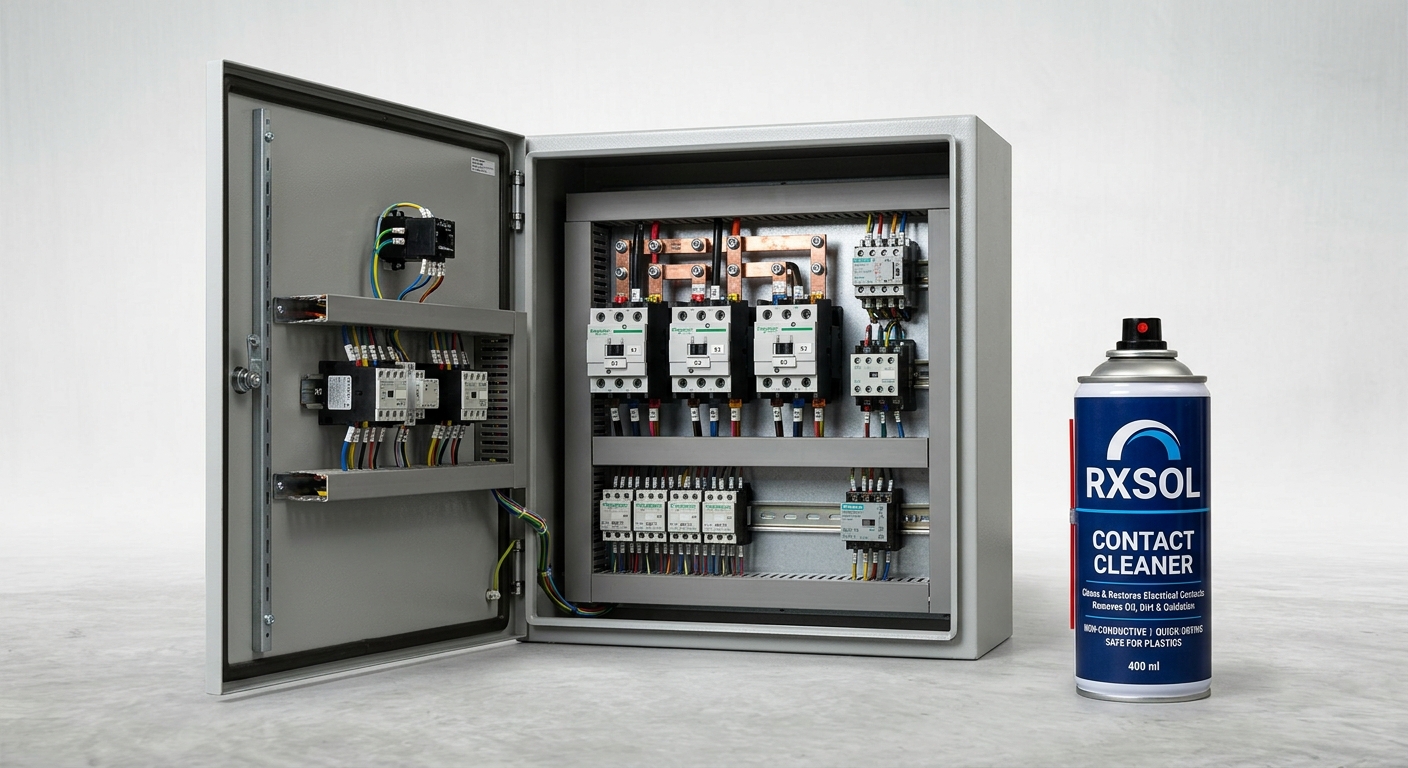
Before diving into the application process, it is essential to understand why Electrosol is specified for high-voltage and low-voltage cleaning applications. Unlike standard industrial degreasers, Electrosol is a specialized, fast-evaporating electrical contact cleaner designed explicitly for the power sector. It features a high dielectric strength, meaning it does not conduct electricity, making it intrinsically safer for use around critical infrastructure.
Furthermore, Electrosol leaves zero residue. When cleaning components like variable frequency drives (VFDs), programmable logic controllers (PLCs), or main breaker busbars, any lingering chemical residue can attract new dust or cause micro-shorts. Electrosol flushes away contaminants and flashes off quickly, leaving a pristine, dry surface. Formulated to be safe on most plastics, epoxies, and insulating varnishes, it is the cornerstone of electrical preventive maintenance.
Pre-Cleaning Preparation and Essential Safety Protocols
Industrial safety can never be compromised. Before you apply any solvent to a panel, strict safety and isolation protocols must be followed. Electrosol is highly effective, but like all industrial solvents, it requires controlled handling.
- Complete Power Isolation (LOTO): Although Electrosol boasts a high dielectric strength, it is an industry best practice to de-energize the equipment before cleaning. Always execute a strict Lockout/Tagout (LOTO) procedure. Verify that all power sources, including backup generators and UPS feeds, are disconnected. Use a reliable multimeter to confirm the absence of voltage across all phases.
- Proper Ventilation: Ensure the switchgear room or substation has adequate airflow. Electrosol evaporates rapidly, displacing air in confined spaces. If working in an enclosed sub-basement or a tight electrical room in a Muscat facility, utilize portable industrial exhaust fans to maintain fresh air circulation.
- Personal Protective Equipment (PPE): Technicians must wear appropriate PPE. This includes nitrile gloves to protect against solvent absorption and skin drying, safety goggles or a face shield to prevent splash-back, and an organic vapor respirator if working in poorly ventilated areas.
- Initial Dry Cleaning: Never spray solvent directly onto heavy layers of loose dust. Use a vacuum with a non-conductive HEPA-filtered nozzle or dry, compressed air (ensure the air supply is free of moisture and oil) to blow out loose sand, cobwebs, and ambient debris first.
Step-by-Step Guide: How to Clean Electrical Panels with Electrosol
Once the panel is safely isolated and pre-cleaned, you can begin the chemical cleaning phase. Following the correct sequence ensures that contaminants are completely flushed out of the panel rather than just moved around.
1. Targeted Application Strategy
Always clean an electrical panel from the top down. This prevents dirty solvent from dripping onto components you have already cleaned. Begin at the upper busbars and main incomer terminals, working your way down through the circuit breakers, contactors, relays, and finally the terminal blocks at the bottom of the enclosure.
2. The Spraying Technique
Hold the Electrosol aerosol can or bulk sprayer nozzle approximately 6 to 8 inches away from the surface. For precision cleaning of contact points and tight relay enclosures, attach the extension tube (straw) to direct the solvent deeply into the mechanisms. Use short, controlled bursts rather than a continuous, heavy spray. The mechanical action of the pressurized solvent will help dislodge baked-on carbon and oxidized grease.
3. Agitating Stubborn Contaminants
In heavy industrial environments, such as Muscat's oil refineries or desalination plants, electrical panels often suffer from severe carbon buildup due to arcing, or sticky grease ingress from nearby machinery. If a quick spray does not remove the soil, apply a localized dose of Electrosol, wait 10 to 15 seconds for the solvent to penetrate, and gently agitate the area using a soft, non-conductive bristle brush (such as nylon or natural hair). Once the soil is loosened, flush the area once more with a quick burst of Electrosol.
4. Managing Runoff
Place heavy-duty absorbent pads or lint-free rags at the base of the electrical panel to catch the solvent runoff. This prevents the flushed grease and dirt from pooling at the bottom of the cabinet, which could degrade the panel's bottom seals over time.
Dosage and Volume Guidelines for Electrosol
In the context of electrical solvents, "dosage" does not refer to a chemical dilution ratio—since Electrosol is used neat (undiluted)—but rather the volume applied to achieve optimal cleaning without excessive waste. Over-saturating a panel is unnecessary and increases drying time.
- Light Maintenance (Dust & Minor Oxidation): For standard 6-month preventive maintenance checks in climate-controlled electrical rooms, a light misting is sufficient. Typically, 2 to 3 short bursts (1-2 seconds each) per breaker or contactor block will displace ambient humidity and light soils.
- Heavy Duty Cleaning (Carbon buildup & Grease): For outdoor panels or MCCs located on manufacturing floors, a heavier dosage is required. Saturate the heavily soiled area until the runoff turns clear. When using bulk liquid Electrosol via a low-pressure pneumatic sprayer, adjust the nozzle to a concentrated stream and apply approximately 50-100ml per square foot of heavily soiled busbar or switchgear assembly.
- Preventing Over-Application: Avoid pooling the solvent in recessed plastic housings or coil windings. While Electrosol is formulated to evaporate, deep pools in unventilated crevices can trap contaminants. It is always better to apply two light coats with a brief drying period in between than a single overly heavy coat.
Post-Cleaning Inspection and Re-Energization
The job is not complete once the spraying stops. Proper post-cleaning procedures guarantee the safety and reliability of the electrical panel.
Allow for Complete Evaporation: Electrosol is engineered for rapid evaporation, but drying times can vary based on ambient temperature and humidity. In the warm climate of Muscat, evaporation is typically swift. However, technicians must visually inspect all tight crevices, relay housings, and the bottom of the panel to ensure no liquid remains. You can expedite the drying process by gently blowing dry, oil-free compressed air over the components.
Insulation Resistance Testing: For main distribution panels and critical switchgears, it is highly recommended to perform a Megger (insulation resistance) test after cleaning. Electrosol eliminates conductive pathways created by dirt and carbon. A post-cleaning Megger test will verify that the insulation resistance has been restored to factory-safe levels, giving you empirical data that the cleaning was successful.
Final Visual Check and LOTO Removal: Inspect the panel for any tools, rags, or brushes left behind. Ensure all protective covers and arc shields are securely reinstalled. Once the panel is physically secured and entirely dry, you may remove the LOTO devices and sequentially re-energize the system, monitoring for any unusual sounds, smells, or relay faults.
Partner with Muscat Chemicals for Your Industrial Maintenance Needs
Maintaining high-voltage equipment requires high-performance solutions. Sourcing sub-standard solvents can lead to degraded plastic housings, lingering conductive residues, and hazardous environments for your electrical personnel. When integrating electrical cleaning into your facility's maintenance schedule, you need a reliable, knowledgeable supply partner.
Muscat Chemicals is proud to be a leading supplier of industrial-grade chemical solutions across Oman. We understand the specific demands that the local climate places on heavy machinery and electrical infrastructure. By sourcing your Electrosol and other maintenance chemicals through us, you are guaranteed premium, certified products formulated to meet stringent international safety standards.
Whether you require convenient aerosol cans for routine field service or bulk drum supplies for comprehensive annual plant turnarounds, our team is equipped to support your operational needs with rapid delivery and expert technical advice.
Ensure your electrical panels operate at peak efficiency and safety. To request Material Safety Data Sheets (MSDS), discuss bulk pricing, or consult with our experts on the best application practices for your specific facility, please reach out to our technical support team at support@omanchem.com or call us directly at +968 99489269. Equip your technicians with the best, and safeguard your infrastructure with Muscat Chemicals.