How to Use Boiler Water Treatment: Dosage, Application & Safety Guide
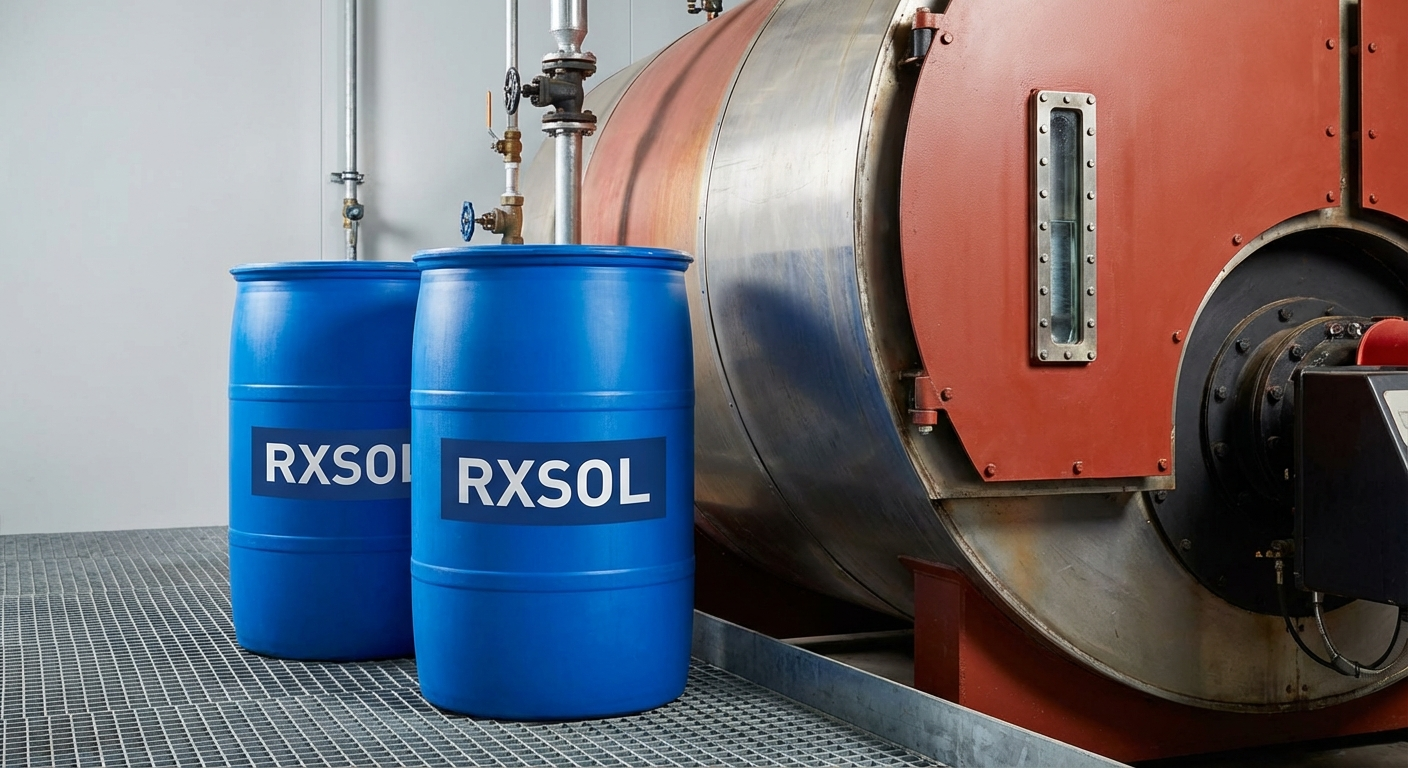
Knowing how to use boiler water treatment properly is essential for boiler operators, utility technicians, and maintenance teams. A boiler treatment program is only effective when the right chemicals are applied in the right way, at the right dosing frequency, and with consistent monitoring. That is why the phrase boiler treatment chemical dosing schedule matters so much in practice.
In Muscat, facilities running steam systems need treatment programs that are practical, stable, and easy to monitor. This guide explains how boiler water treatment is used, what “dosage” means in real plant conditions, how dosing schedules should be managed, and what safety rules operators should follow.
What Boiler Water Treatment Does
Boiler water treatment protects the system from:
- scale formation
- oxygen corrosion
- sludge buildup
- foaming and carryover
- condensate-line corrosion
By controlling these risks, treatment chemicals help boilers operate more efficiently and with fewer breakdowns.
How to Use Boiler Water Treatment
A proper treatment program usually follows a repeatable process rather than random dosing.
Step 1: Understand the Boiler System
Before using any treatment chemical, operators should know:
- boiler pressure and capacity
- feedwater quality
- condensate return condition
- current operating problems
- blowdown practice
These factors influence what chemistry is needed and how often it should be applied.
Step 2: Choose the Correct Treatment Program
Different boiler systems may need different combinations of chemicals. Some programs focus more on scale control, while others need stronger oxygen control or condensate protection.
Step 3: Apply at the Correct Injection Point
Treatment chemicals should be added at the correct point in the system, such as the feed tank, feedwater line, or designated dosing point, depending on the product type.
Step 4: Follow a Boiler Treatment Chemical Dosing Schedule
This is one of the most important parts of the process. A good boiler treatment chemical dosing schedule is based on:
- feedwater makeup rate
- steam demand
- water test results
- blowdown frequency
- chemical concentration targets
The goal is not to “add as much as possible.” The goal is to maintain the required chemistry range consistently.
Step 5: Monitor and Adjust
Treatment should always be supported by testing and observation. Operators should monitor water chemistry, performance indicators, and visible signs of fouling or corrosion risk.
What Dosage Means in Practice
When operators ask about dosage, they often want a single fixed number. In reality, dosage depends on operating conditions. Practical dosage is linked to:
- makeup water quality
- hardness or dissolved solids load
- oxygen level
- boiler operating pressure
- treatment product concentration
- target residual or control range
This is why treatment chemicals should be dosed according to a monitored program, not guesswork.
Boiler Treatment Chemical Dosing Schedule Guide
A useful schedule should include:
- 1. starting dosage or target concentration
- 2. routine test frequency
- 3. adjustment rules based on water results
- 4. blowdown coordination
- 5. logbook or recording method
For boiler operators in Muscat, the best dosing schedule is one that is simple enough to follow consistently and specific enough to prevent drift in water quality.
Safety Guide for Boiler Water Treatment
Because treatment chemicals can include alkaline, oxygen-control, or specialty formulations, safe handling matters. Operators should:
- wear gloves and eye protection
- avoid direct skin contact
- follow site chemical handling rules
- store products correctly
- label dosing systems clearly
- avoid mixing incompatible chemicals
Safe handling is part of treatment reliability. A good program protects both the boiler and the people operating it.
Best Practices for Better Results
To get better performance from boiler water treatment:
- use accurate water testing
- maintain regular dosing discipline
- check blowdown consistency
- monitor feedwater quality changes
- investigate sudden treatment demand increases
- keep records of chemical use and test values
These habits help operators catch problems before they become major maintenance issues.
Common Mistakes to Avoid
Operators should avoid:
- dosing without testing
- skipping scheduled treatment additions
- ignoring condensate return quality
- assuming one dosage always works forever
- treating symptoms without understanding feedwater conditions
A treatment program is strongest when it is monitored, not improvised.
Conclusion
If you want to know how to use boiler water treatment, the answer is to apply the right chemistry through a controlled, monitored, and repeatable dosing process. The heart of that process is a reliable boiler treatment chemical dosing schedule supported by water testing and disciplined operation.
For boiler operators in Muscat, the best results come from correct injection, routine monitoring, and consistent adjustment based on system needs. That is how treatment moves from a chemical task to a real boiler protection strategy.